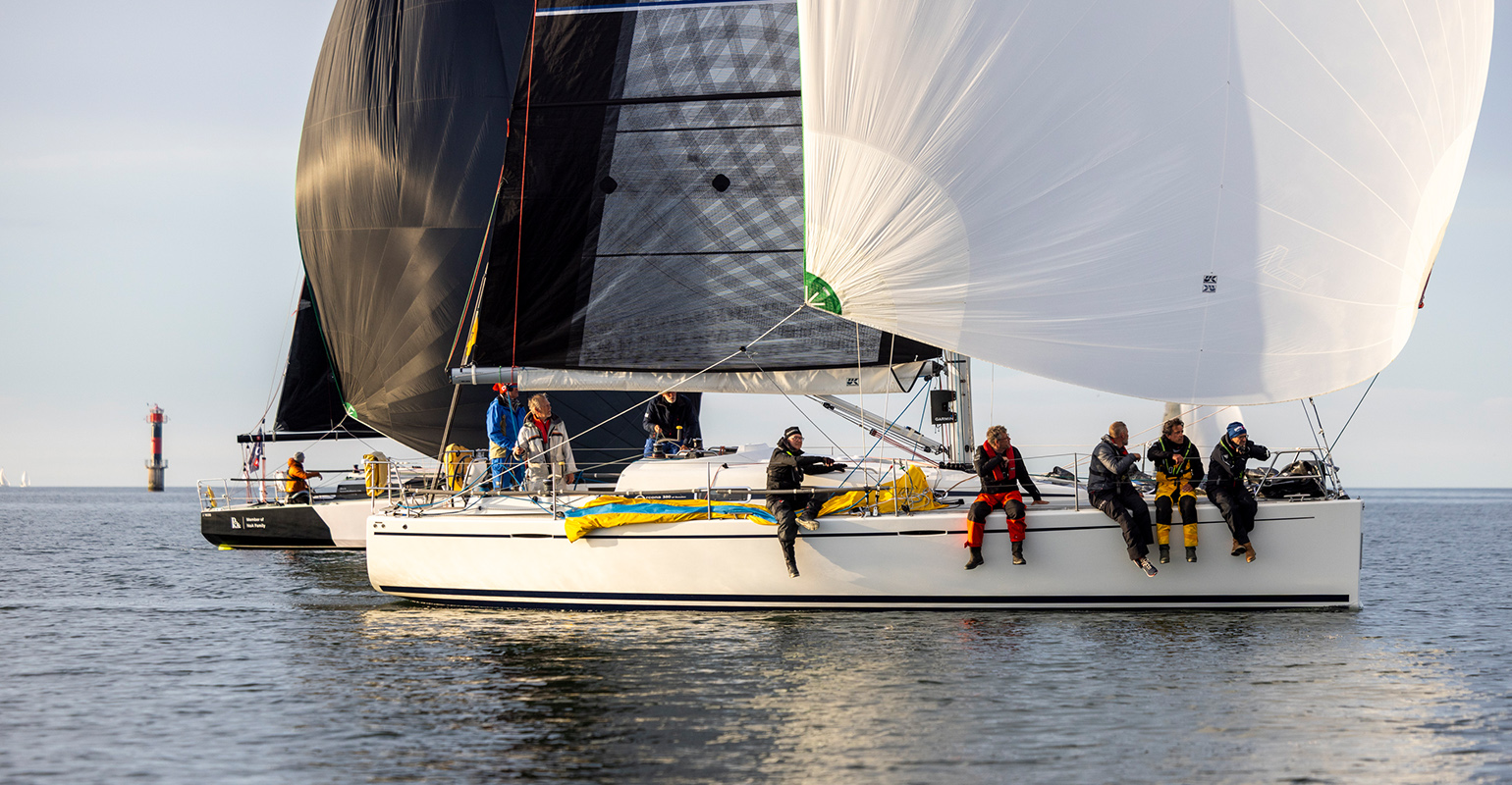
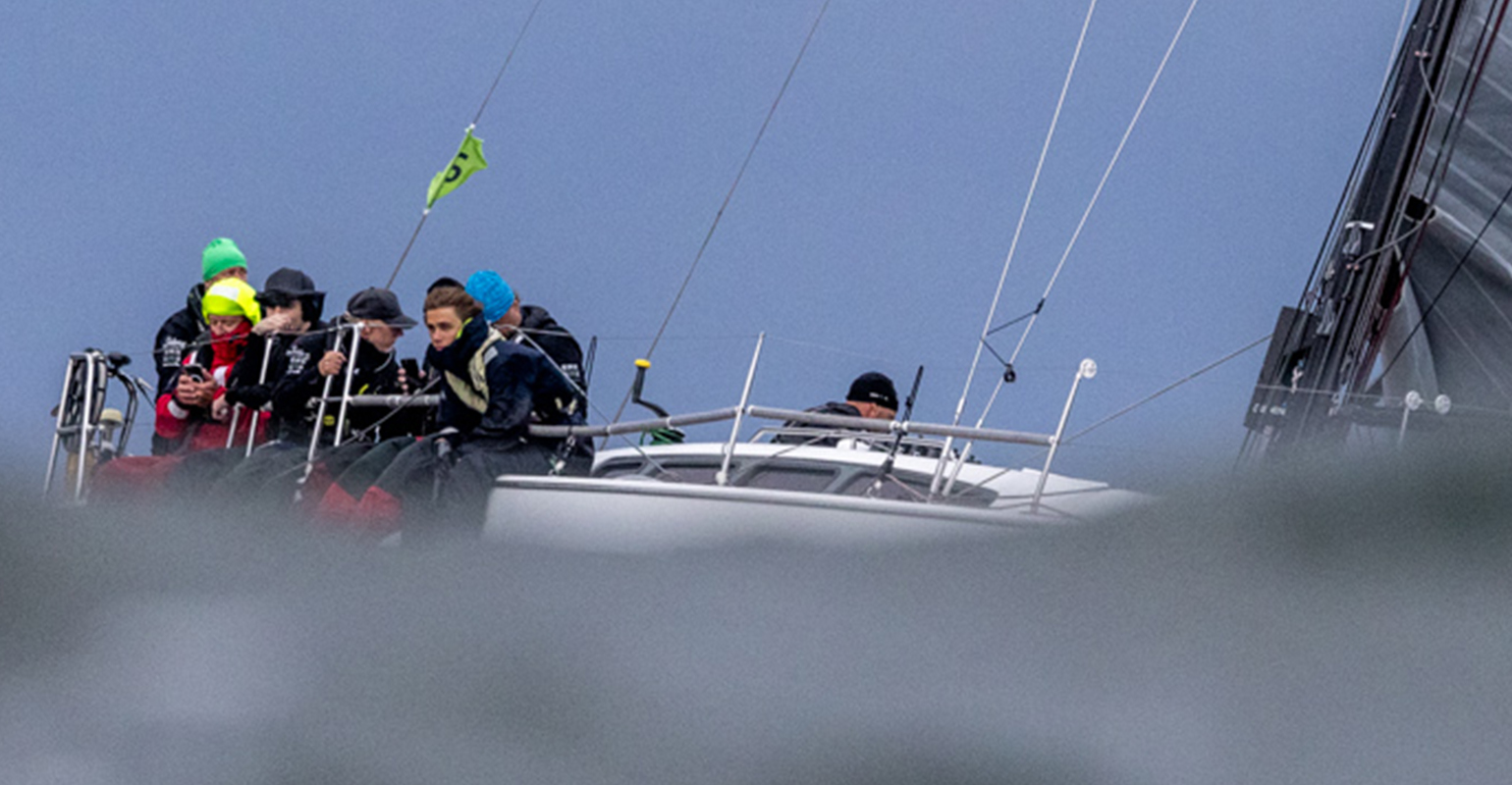
It is approaching three in the morning just east of Gotland. It is pitch black, freezing cold, and the rain whips horizontally against your face. On deck, four people balance in heavy foul weather gear, soaked to the skin, while the boat slams brutally against short, angry waves. Fingers are stiff from the cold, muscles ache after hours on the hard rail, and in the cabin, the rest of the crew lies trying to sleep amidst the constant roar of oncoming seas.
1 juli 2026
What is the deal with Gotland Runt, really?
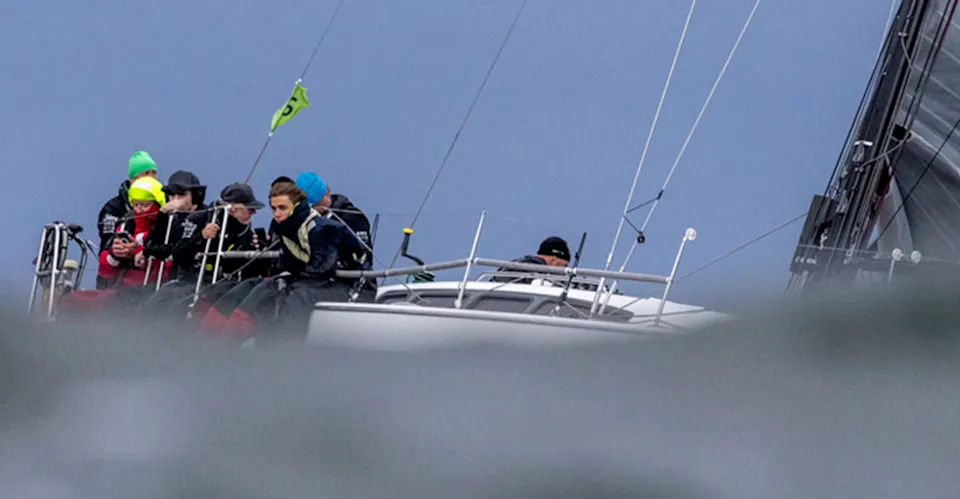
A standing description of offshore racing that most sailors recognize is: "Perhaps the world's most uncomfortable way to get completely exhausted." Yet, hundreds of boats line up on the starting line every summer to take on Gotland Runt. Why do people subject themselves to this voluntarily?
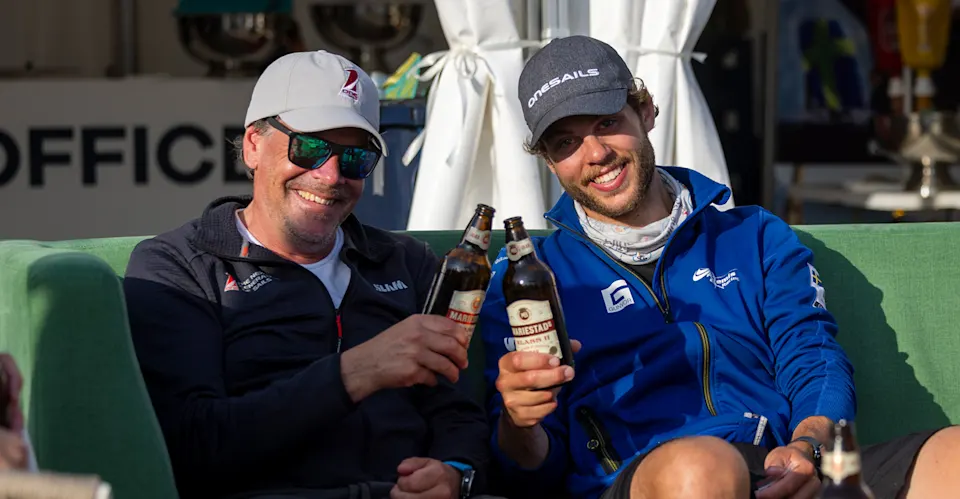
The answer is found on the dock in Sandhamn a few days later. That is where they step ashore: sunburned, foul-smelling, with stiff movements and eyes strained from sleep deprivation. But they are smiling. They are hugging. They radiate an almost surreal happiness in the midst of total exhaustion.
Beyond the beautiful sunsets and the tactical puzzle, Gotland Runt is about a psychological and emotional reset that can hardly be found anywhere else in modern life.
The bubble that bursts – and saves
The first thing that happens when you step onboard is that the world shrinks. On land, our attention is constantly fractured by notifications, deadlines, and social expectations—a cognitive overload that has become a normal state. But at sea, the noise vanishes in an instant. Remaining are only the boat, the wind, the sails, the crew, and the elements.
In psychology, people speak of flow —that state where a challenge is so demanding that everything else is erased. You simply cannot worry about unpaid bills or tomorrow's work emails when you are in the dark trying to douse the gennaker in a gale. The brain is forced into absolute presence. It is a brutal but effective form of mindfulness; a total mental detox through hard work.
The euphoria of contrasts
The journey around the island is an emotional roller coaster. It can be hours of helpless bobbing in frustrating calm with nerves on edge, only for the next moment to shift into an adrenaline-fueled struggle on a wet foredeck.
This intense interplay of contrasts is the key to the happiness that washes over the sailors at the finish line. According to the theory of hedonic contrast , humans experience relief and joy many times more strongly if it is preceded by physical or mental discomfort. The warm soup during the watch after a freezing shift on the edge tastes better than a three-course dinner on land. When the finish line is finally crossed, days of pent-up cortisol and adrenaline are suddenly replaced by a flood of dopamine and endorphins. The result is a pure, chemical euphoria.
"Onboard, the individual is erased. You become completely dependent on the person next to you making the right decision in the middle of the night while you yourself are asleep."
The pack animal finds its way home
Humans are fundamentally wired to live in a tribe, but modern society has turned us into lone wolves who handle most things on our own. Onboard an offshore racing boat, that does not work. There, you become one with the group through what is called social synchronization .
When a crew shares watch shifts, freezes together, and celebrates small partial victories—like sliding past an opponent in a private breeze or pulling ahead after a risky tack—they are forged together on a deeper level than what is possible in everyday life. It satisfies a deeply rooted need for unconditional belonging and cooperation toward a single, clear goal.
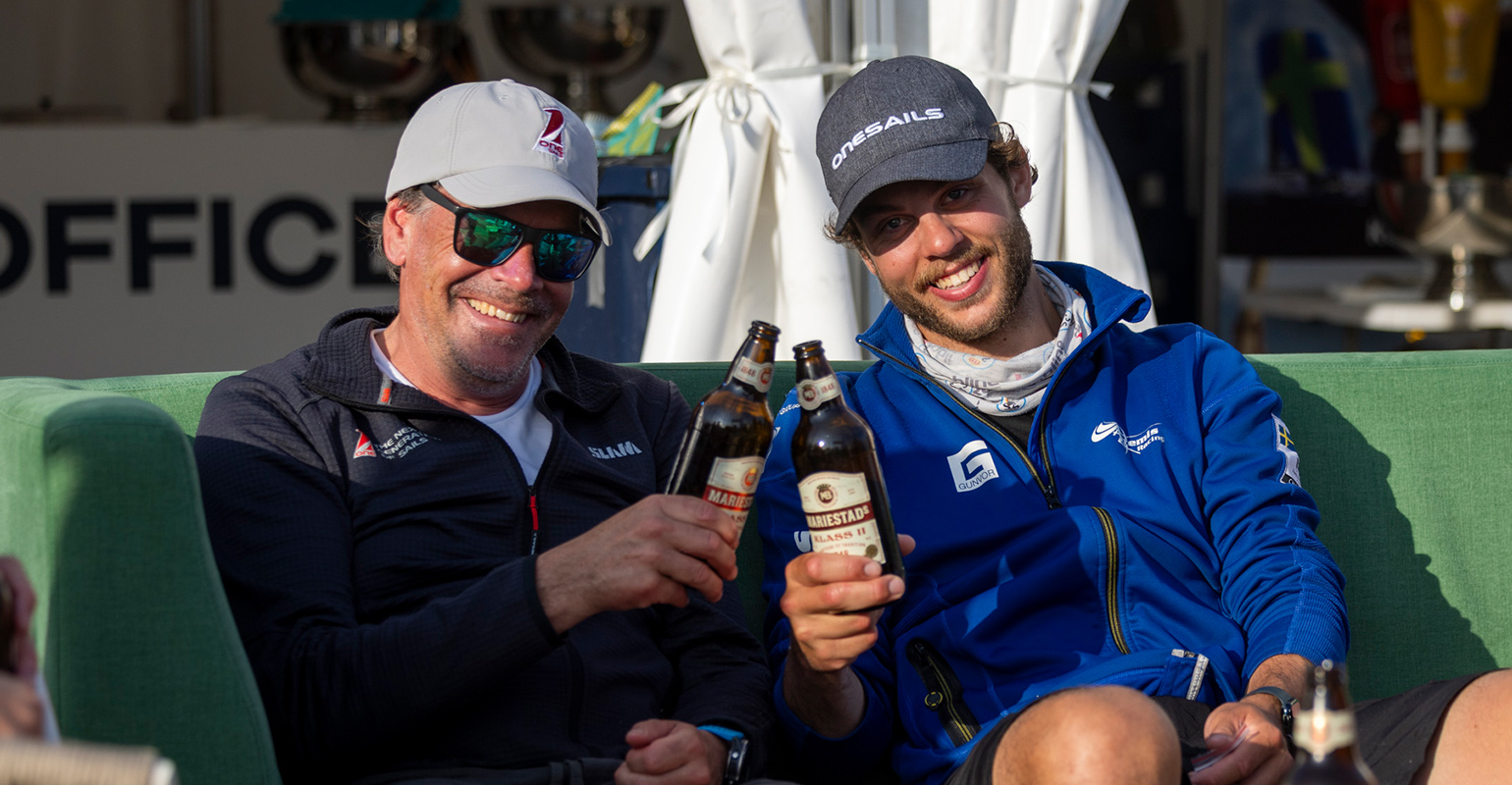
When the boats are finally moored in Sandhamn and the first cold beer is opened, it is not just fatigue that fills the air. It is the relief of having lived in a simpler world for a few days. A world where success can be measured in tenths of a knot and survival is about the next wave. By subjecting themselves to voluntary suffering, the sailors have bought themselves freedom from the complexities of life on land—and that is precisely the cleansing process that makes them so happy.
That´s really what the deal is.
Richard Wästberg IKK
Translated with Gemini